
After Nandini, Mother Dairy hikes milk rates: Why are dairy prices rising?
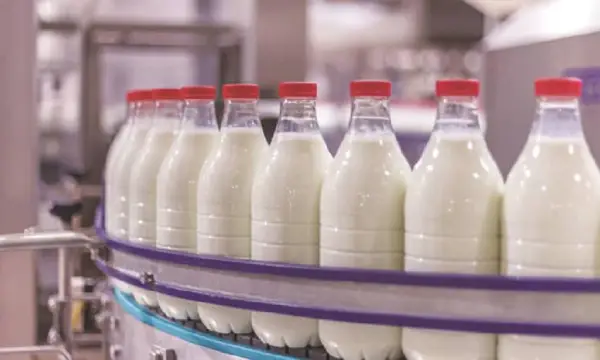
Amid a series of price increases by dairy companies, Mother Dairy on Wednesday announced a hike of ₹2-4 per litre in milk prices, effective November 12, reported news agency PTI.
The latest revision by Mother Dairy, the largest milk supplier in Delhi-National Capital Region (NCR), follows recent price increases by the Karnataka Milk Federation (KMF), which sells dairy products under the Nandini brand, and Gujarat Cooperative Milk Marketing Federation (GCMMF), which markets products under the Amul brand.
While KMF raised the prices of Nandini milk, curd and other dairy products, Amul increased the prices of ghee and butter. According to industry sources, Amul is also expected to raise milk prices following the recent increases by Mother Dairy and Nandini.
Mother Dairy raises milk prices by ₹2-4 per litre
Mother Dairy has revised the consumer prices of its liquid milk variants by ₹2-4 per litre. In the NCR, toned milk (bulk-vended) will now cost ₹60 per litre, up from ₹58.
The price of full-cream milk (pouched) has been increased to ₹76 per litre from ₹72, while toned milk (pouched) will cost ₹62 per litre, compared with ₹60 earlier. Double-toned milk will now be priced at ₹56 per litre, up from ₹54. The price of cow milk has been raised to ₹65 per litre from ₹62.
Mother Dairy last raised milk prices on May 14, 2026. Before that, it had revised prices in April 2025.
Nandini milk, ghee, butter and paneer become costlier
Earlier this month, the Karnataka Milk Federation (KMF) increased the price of Nandini milk by ₹8 per litre, with the revision taking effect on November 1, 2026. The federation also raised the price of curd by ₹14 per litre.
KMF has also revised the prices of several other dairy products. According to a Bengaluru Milk Union circular, a 200-ml Nandini ghee sachet now costs ₹95, while the 500-ml pack is priced at ₹425.
Ghee sold in PET jars is priced at ₹65 for 50 ml, ₹100 for 100 ml, ₹180 for 200 ml, ₹435 for 500 ml and ₹870 for one litre. The five-litre pack costs ₹4,250. Salted butter now costs ₹90 for 100 grams and ₹380 for 500 grams. The 200-gram unsalted butter pack is priced at ₹160, while the 500-gram pack costs ₹390.
Nandini paneer is now priced at ₹115 for 200 grams, ₹260 for 500 grams and ₹485 for one kg. The 200-gram medium-fat paneer pack costs ₹110.
Amul raises prices of ghee and butter
Gujarat Cooperative Milk Marketing Federation Ltd (GCMMF), which sells dairy products under the Amul brand, increased ghee prices by ₹50 per litre with effect from November 2, citing higher input costs.
In a statement, GCMMF said the revised maximum retail prices (MRPs) of Amul table butter, Amul ghee and Amul cow ghee would come into effect from November 2. The price of a 500-gram pack of Amul table butter has increased from ₹310 to ₹325. A one-litre pouch of Amul ghee will now cost ₹680, compared with ₹630 earlier, while the price of Amul cow ghee has risen to ₹735 per litre from ₹695.
Amul had earlier raised milk prices by ₹2 per litre across India on May 14, 2026, following an earlier increase in May 2025.
Milk prices have also risen in Maharashtra. In August this year, representatives of major cooperative and private dairies approved an increase of ₹2 per litre in the prices of cow and buffalo milk in the state. The decision was taken at a meeting of the Milk Producers and Processors Welfare Association.
Why are milk and dairy product prices rising?
Dairy companies have cited higher input costs, including rising milk procurement prices, diesel expenses and packaging costs, as reasons for the price increases.
According to PTI, the cost of procuring milk from farmers has increased, prompting Mother Dairy to pass on part of the rise in input costs to consumers. The company transfers 75-80 per cent of its milk sales realisation to farmers.
Business Standard earlier reported that milk prices were already rising ahead of this year's so-called 'flush season', the October-to-February period when milk supplies typically increase, helping build stocks for the lean season. However, expectations of lower production due to uneven rainfall and rising feed and fodder costs have put pressure on prices. Traders and market participants expect prices to remain elevated even during the flush season, as companies are likely to adjust costs amid weak supplies and rising demand during the festive season.
The report noted that cattle feed costs in September 2026 were around 15-20 per cent higher than in the same period last year. Prices of all the components used to make feedmeal, including maize, de-oiled rice bran cake, soya-related ingredients and other grains, have increased.
The expected adverse impact of a below-par monsoon this year on milk production is also adding to the pressure on prices. According to the report, demand for milk has further increased due to a shift from analogue paneer to paneer made from natural milk following a nationwide crackdown on the former. High international prices are another factor expected to affect domestic rates.
Other Latest News

UK-based business financial platform Tide plans to invest around 250 million pounds (about ₹3,100 crore) in India by the end of 2030 to scale up operations and technology centres supporting its global business.
The company plans to ramp up investment up to 500 million pounds in the longer term.

Indian customs is holding dozens of containers of bulk Scotch imported by Pernod Ricard and Diageo as investigators press for a 150% tariff, even though the companies rely on a New Delhi assurance of lower duties under the India-UK trade pact, according to four people with knowledge of the matter and a confidential government memo.

Former Bangladesh Prime Minister Sheikh Hasina has exhausted all legal options to challenge her death sentence and now faces execution, Aminul Islam, the country’s chief war-crimes prosecutor, said.
Bangladesh’s International Crimes Tribunal sentenced Hasina to death in absentia in November 2025 over the crackdown on the 2024 student-led uprising.

Some Anthropic PBC backers are offering a portion of their IPO allocation to new investors in the run-up to the largest public listing on record.
JonesTrading Institutional Services LLC is marketing a block of Anthropic shares of up to $500 million on behalf of investors that are anticipating sizable allocations on the deal.

IndiGo has further extended the suspension of its flight operations to four destinations in Saudi Arabia amid heightened security concerns in the region. The airline will keep flights to and from Jeddah and Madinah suspended until November 21, while services to Riyadh and Dammam will remain cancelled until November 30, 2026.
Taking to social media platform X on November 10, the airline said the decision followed a careful assessment of the prevailing safety and security situation.